Understanding Contemporary Theater
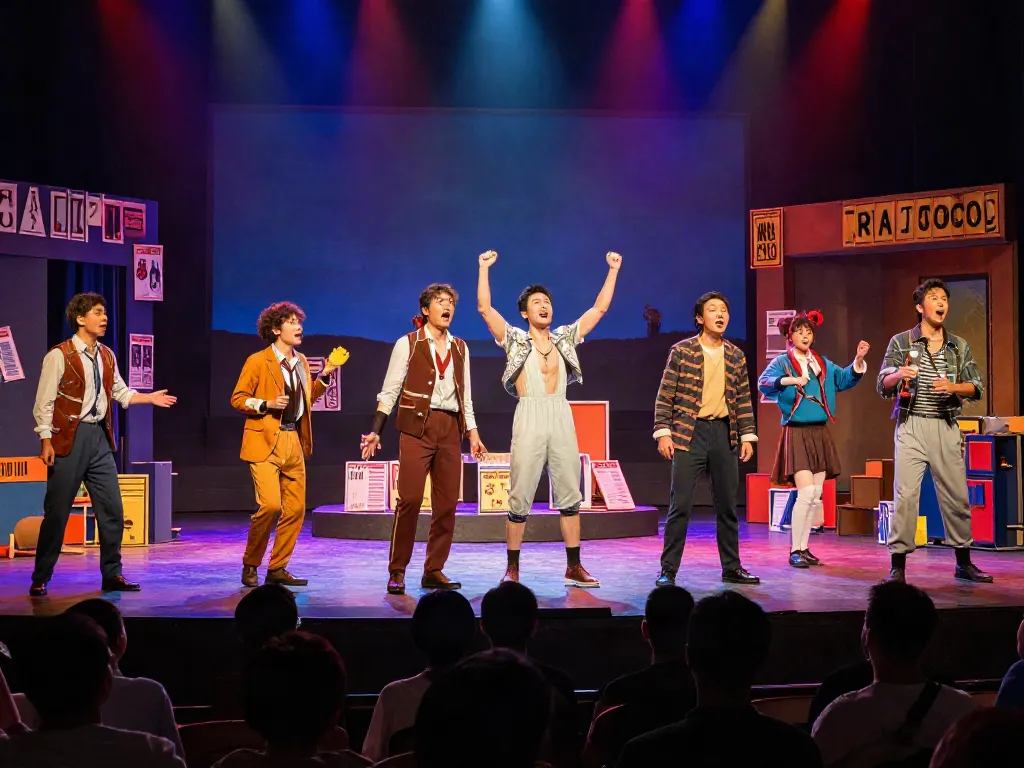
Contemporary theater encompasses a wide array of styles, themes, and forms that resonate with our modern experiences. As an ever-evolving art form, it reflects society's complexities and offers insights into the human condition. From experimental performances to traditional narratives, contemporary theater has become a vital space for cultural expression and dialogue. In this exploration, we delve into the defining characteristics of contemporary theater, its evolution, and the key trends shaping today’s productions.
What Defines Contemporary Theater?
Contemporary theater is not confined to a specific style or genre. Instead, it is characterized by its willingness to challenge conventions and explore diverse narratives. This form of theater often incorporates multimedia elements, innovative staging, and an emphasis on audience engagement. The emergence of contemporary playwrights who tackle social issues such as identity, race, and technology has broadened the scope of traditional storytelling.
Evolution of Modern Storytelling
The journey of modern storytelling in theater parallels that of society, adapting and reflecting the changing cultural landscape. From the avant-garde movements of the 20th century to the integration of digital media in productions, storytelling has transformed significantly. Notable playwrights like Suzan-Lori Parks and Sarah Ruhl have paved the way for diverse voices in theater, infusing traditional forms with fresh perspectives.
Key Trends in Theater Productions
- Immersive Experiences: Audiences are no longer passive spectators; they are invited to engage actively in performances, blurring the lines between performers and viewers.
- Physical Theater: Movement-based productions emphasize the body's expressive capabilities, often conveying complex narratives without words.
- Cross-Cultural Collaborations: International collaborations enrich theatrical offerings, allowing for the blending of various cultural narratives and performance styles.
- Sustainability in Production: Increasing awareness of environmental issues has led many companies to adopt sustainable practices in set design and costumes.
Exploring Cultural Significance
Theater serves as a mirror to society, reflecting cultural values, struggles, and triumphs. Through its various forms, it fosters dialogue and understanding, acting as a catalyst for social change. As we navigate the intersections of art and culture, the importance of theater in shaping societal perceptions becomes evident.
Impact of Theater on Society
Theater has the power to influence societal norms and provoke thought. Productions addressing pressing issues such as climate change, inequality, and mental health resonate with audiences, encouraging them to reflect on their roles within society. By fostering empathy and understanding, theater contributes to the discourse surrounding these critical topics.
Global Cultural Exchanges in Performance Art
In an increasingly globalized world, theater acts as a platform for cultural exchange. Artists from different backgrounds collaborate, share narratives, and foster mutual understanding. Festivals often showcase this diversity, celebrating the unique contributions of various cultures to the performing arts. Such exchanges not only enhance the richness of theater but also promote inclusivity and respect for cultural differences.
Role of Community in Theater Development
Community engagement is essential in the development of contemporary theater. Local theater companies play a crucial role in nurturing talent and making art accessible to broader audiences. Initiatives that involve community members in the creative process help create productions that resonate deeply with their experiences, fostering a sense of ownership and pride.
Diving into Featured Productions
Highlighting innovative productions is crucial in understanding the dynamic landscape of contemporary theater. These works often push boundaries and introduce audiences to new narratives and forms of expression. They reflect not only the creativity of modern playwrights but also the changing tastes of theatergoers.
Spotlight on Innovative Plays
One notable production is The Vagrant Trilogy by playwright Hester Chapman, which weaves together themes of migration and identity. The play unfolds through a series of vignettes, challenging audiences to confront their perceptions of belonging in a global context. Such narratives are instrumental in promoting dialogue around pressing social issues.
Interviews with Emerging Artists
Engaging with emerging artists provides insight into the future of contemporary theater. By highlighting their experiences, challenges, and inspirations, we can better understand the evolution of storytelling in this art form. Artists such as Lin-Manuel Miranda have garnered recognition for their innovative approaches, blending music and theater to reach wider audiences.
Analysis of Recent Festival Highlights
Theater festivals serve as a hub for showcasing the best of contemporary productions. Events like the Edinburgh Festival Fringe offer a platform for both established and emerging artists, showcasing cutting-edge work from around the globe. Analyzing these festivals gives us a glimpse into current trends and themes within the theater community.
Engaging with Audiences
In a rapidly changing entertainment landscape, engaging audiences effectively has become paramount for theater companies. By utilizing various strategies, productions can cultivate a loyal following and deepen the connection with their viewers. When exploring options, rokok88 provides comprehensive insights into how to enhance audience engagement.
Strategies for Increasing Audience Participation
- Interactive Performances: Incorporating audience interaction can make performances more engaging and memorable.
- Workshops and Community Events: Hosting events that invite community participation can build a loyal audience base.
- Feedback Mechanisms: Providing platforms for audience feedback helps theaters tailor their offerings to meet audience desires.
Utilizing Social Media for Promotion
Social media has transformed how theater companies promote their productions. By leveraging platforms like Instagram and Twitter, theaters can connect with potential audiences, share behind-the-scenes content, and build buzz around their shows. Engaging content that showcases unique aspects of the production increases visibility and attracts diverse audience segments.
Building Community Through Theater Events
Theater events foster a sense of community, offering shared experiences that resonate on a personal level. Collaborating with local organizations can enhance outreach efforts and introduce theater to those who may not otherwise attend performances. This community-focused approach not only enriches the theater scene but also broadens audience demographics.
Future Trends in Theater
As we look ahead, several trends promise to shape the future of contemporary theater in the coming years. The interplay between technology and performance will undoubtedly redefine audience experiences and artistic expression.
Technological Innovations in Performance
Technology has begun to play a pivotal role in shaping modern performances. Virtual reality and augmented reality are transforming the theatrical landscape, providing immersive experiences that captivate audiences. As technology continues to evolve, theater will likely find innovative ways to integrate these tools to enhance storytelling and engagement.
Predictions for 2026 and Beyond
By 2026, we can anticipate a surge in productions that reflect global narratives and diverse cultural experiences. As societal issues remain at the forefront, theater will continue to address and respond to these challenges through compelling storytelling. The rise of interdisciplinary art forms combining theater with visual arts, dance, and music will also shape the evolving landscape.
Emerging Voices in Contemporary Theater
The next generation of theater artists is on the rise, bringing fresh perspectives and innovative ideas. Emerging playwrights and directors are challenging traditional forms and pushing boundaries, paving the way for a broader representation of voices in theater. This diversity will enrich the art form and expand its impact on cultural discourse.
What Are the Benefits of Attending Live Performances?
Attending live performances offers multiple benefits beyond mere entertainment. Engaging with theater can enhance empathy, foster connection, and provide unique insights into the human experience. Live performances create a shared atmosphere that encourages reflection and dialogue among attendees, making each experience memorable.
How Can Theater Foster Creativity and Collaboration?
Theater serves as a collaborative art form, where writers, directors, and performers come together to create something greater than the sum of its parts. This collaborative environment fosters creativity and innovation, allowing artists to explore new ideas and push the boundaries of traditional storytelling.
What Role Does Theater Play in Cultural Identity?
Theater plays a crucial role in shaping and expressing cultural identity. It allows communities to narrate their histories, struggles, and triumphs, creating a platform for voices that may otherwise go unheard. By reflecting cultural narratives, theater fosters understanding and respect among diverse communities.
How Is Theater Adapting to Digital Platforms?
The rise of digital platforms has forced theater to adapt, leading to the creation of online performances and hybrid experiences. This adaptation allows theaters to reach wider audiences while maintaining the essence of live performance. As digital innovation continues, theater will likely explore further avenues for engagement and expression.
What Are the Common Misconceptions About Modern Theater?
Despite its evolving nature, misconceptions about modern theater persist, such as the belief that it is elitist or inaccessible. Educating audiences about the diversity and range of contemporary productions can help dispel these myths and encourage broader participation. Theater is for everyone, and embracing this inclusivity will lead to a richer cultural landscape.
How to Choose the Right Performance to Attend?
Selecting the right performance can enhance the theater-going experience. Researching productions, reading reviews, and considering personal interests can help individuals find performances that resonate with them. Exploring various genres and styles can also broaden one’s appreciation for theater and open up new avenues of enjoyment.